Medical Advisor Android App by using Java & SQLite

This project is an android based application, especially for the medical sector. This application will be used by users to get medical information about different physical health conditions. This is a standalone application.

The primary aim of this project is to facilitate the user with medical help online providing drug and medical information to the person. Medical Advisor apps are changing the way users handle their personal health care.
Existing System:

The existing system is the online app that facilitates the user with the drug information and the specified clinical prescription to the user. It functions with the user entering the search information regarding the desired disease he wants to know about and the app returns the specified results about the input given by the user the existing system also contains the details about the specialized doctors around them. Basically, it’s an information app for the diseases to be known to the user.

Proposed System:

 In the proposed system, the app facilitates certain features for the user. It basically helps the individual with the clinical assistance online by giving medication and also medical information to the individual about the particular medicine. This app allows you to track any kind of blood donation program around you. the user just has to enter the details as asked in the program and you have to hit the search button and the results are returned.

This project provides you with an insight into the design and development of the health advisor app. For instance, a recent study found that the risk of hospitalization for patients with no or poor knowledge of prescribed therapies is more than double in cases of certain diseases.
Modules

 Number of Modules As this is a standalone application, so this application will be available for users.

Users can perform the below operations:

  • Users can search about different diseases.
  • The user gets nearby hospitals based on their location and also specialized doctors working in it.
  • Users can also get details about wellness problems.
  • Users can get blood contribution programs near them.
  • Users can get medical details about physical health.
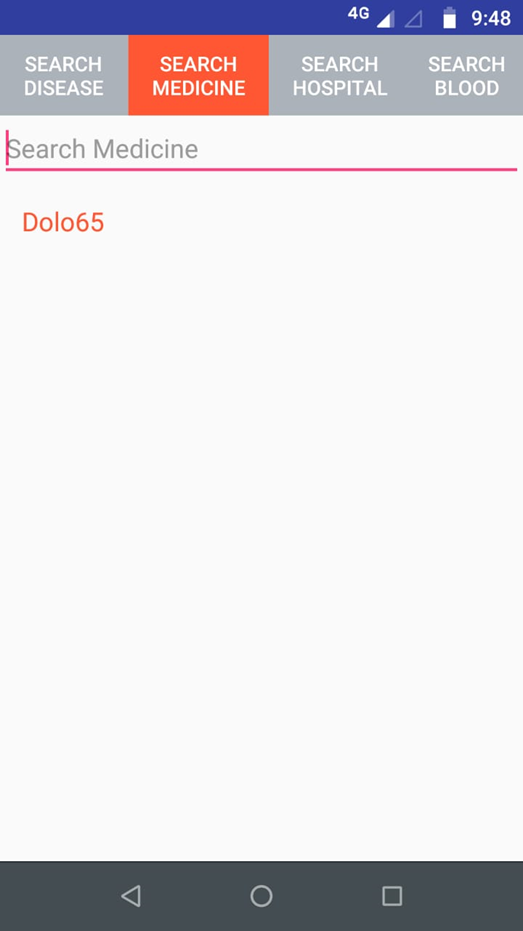
  • Users can also get medicine descriptions, chemical composition, effects, and side effects.
  • Users also can search for medicines based on their specified illness.

Software requirements:

  • Front end: java
  • Back end : XML
  • Software: android studio
  • Database: SQLlite

Here you can download the entire Medical Advisor Android APP by using Java coding & SQLite Database Source Code, Complete Project documentation, and Paper Presentation.
Role of digital strategy in the globalization of Medium-scale Indian Pharmaceutical Industries

Abstract

How digital strategy is going to help medium and small pharmaceutical companies to grow as global players and the opportunities for them in international markets. How digitalization helps to improve their operational efficiency, Brand promotion, and increase in quality, to make the company competitive, grow in terms of productivity, revenues, and profitability.

Main Objective of this Research

  1. To develop a framework to exploit the new technologies in marketing and globalization for medium-size firms in the pharmaceutical industry.
  2. To highlight to the top and senior management how to benefit from new technology.
  3. To disseminate the view that the use of traditional brick and mortar models with new technologies can create better results in terms of globalization.
  4. To establish the need for HCM to achieve a competitive advantage in marketing.
  5. To highlight the various tools and technologies available for marketing. the products of medium-scale firms in the pharmaceutical industry in India.

 Other Objectives of the Research

  1. To evaluate and design a suitable framework of digital marketing for the globalization of Indian pharmaceutical companies
  2. To establish and highlight why the integration of traditional models and digital marketing is important for the success of the company
  3. Evaluate the various digital marketing tools such as the use of smartphones, social media, blogs, and websites with traditional marketing tools how they have to be integrated to maximize the performance of the company’s marketing efforts.
  4. To evaluate and understand the importance of a balance in the use of traditional and digital marketing to achieve a competitive advantage for the firm
  5. To establish the need for a globalization strategy for the survival and growth of the small firms

 Scope and Limitations of the Research

Each and every research work has its own scopes and limitations that are ethical, genuine, and validity of the information. And hence this research as well as its own limitations and scope. The research work will focus on the digital marketing of Indian small and medium-sized pharmacy companies competing in the highly competitive global market.

The Indian pharmacy market has grown tremendously in the past few decades, further there are plenty of medium-sized companies operating in other foreign countries. This research will focus on the methods that these medium-sized companies use the technologies available to them. The reason why the researcher has selected quantitative analysis is due to the huge market in India and the numerous operating medium-sized businesses.

Hence the researcher is looking to collect most information from most of the companies across the nation and their wide range of customers in order to get a clear picture of the research at hand. Hence this research will follow an interpretative pattern and an interpretative paradigm as well. 

Health needs Assessment in Indian Remote and Rural Areas Project

Introduction

This Health needs Assessment in Indian Remote and Rural Areas Project work mainly focuses on the assessment of health needs in India and when it comes to the health needs assessment of our communities, especially the most thunder among us, is the communities we serve. We constantly pursue a deep understanding of health needs and carry out a strategic approach to address that priority needs Community  Collaborative and Partnerships.

  1. Health Care Issues of the Community:  Prevalent health care issues and gaps in the current health services delivery in this region are described.  Health status and available health services varied by community.
  2. Vulnerable Populations:  The health care needs assessment identified persons with barriers to receiving health care services. Citizens of rural areas are a vulnerable population in general due to the lack of specialty services and the required travel to meet many health care needs and this region has no exception.  Children, seniors, and non-English speaking persons face the greatest barriers due to the lack of specific services that are available for these populations.  If these populations are also of low-income levels this further compounds the barriers and subsequent access to health care.
  3. Disparities in the Health Care Services Delivery System:  Although many health care services are offered in these areas, access is influenced by a number of factors.  For instance, insurance coverage, income levels, linguistic competencies, and provider and community awareness all affect people’s ability to access care.
  1. Health Care Resources in the Community: An assessment was accomplished through on-site interviews with providers, interviews with Advisory Panel members, and the collection of data pertaining to services in the area.  This assessment created an inventory of health care services available in the Local Health Care Initiative region.
  1. Next Steps:  The project team along with the Advisory Panel will develop a framework and a process for transitioning to Phase of the Local Health Care Initiative.
  • Data-driven needs assessment
  • Methodical approach to addressing the needs
  • Continual measurement and evaluation

The following are the major health issues that emerged from all statistics:

  • Oral Health Care – the lack of dental care providers for low-income residents
  • Substance and Alcohol Abuse – treatment options are needed for acute detox episodes
  • Childhood and Adult Immunization Rates – compliance with childhood and adult immunization requirements (Influenza and Pneumonia)
  • Obesity and Diabetes – the incidence of Obesity and Diabetes is high throughout the region

Further health issues were noted either in the health statistics results:

  • The lack of cancer screening services
  • The incidence of cancer in the region
  • Mental health treatment options – especially crisis intervention requiring inpatient services

The Project team is focusing on the following health care issues as a “priority” (these are not ranked by importance) :

  • Outreach to Community and Providers
  • Substance Abuse Treatment
  • Mental Health Services
  • The Dental Care for Underserved Populations
  • Educating on the availability of prenatal care/birth control
  • Non-emergent Medical Transportation
  • Senior Services
  • Underinsured and uninsured Populations in the Region

Research Objectives:

  • To provide an illustrative analysis of the data collected in the survey through a questionnaire.
  • Identifying the health needs and the challenges in India.
  • Assess clinical demand and estimate the willingness of the public to pay for health services.

Research Methodology:

Methodology

The researcher will use exploratory research using phenomenology and triangulation to investigate the various health needs in India to develop a suitable framework for increasing the health standards of the population. The researcher will use secondary data to evaluate and understand the trends in health care, tools, techniques, and equipment available at present. Additionally, study and investigate the changing trends in populations and the factors.

The researcher will interview NGOs, populations of remote and rural areas, Hospital and government health department officials personally with differently structured questionnaires. The researcher is of the view that targeting a minimum of 10 remote and rural areas for the research is important in the collection of primary data.  At the second level of data collection discussion with a focus group of various related organizations is to be conducted using a structured questionnaire to understand the use of technology, government initiatives, and Ngo’s contributions.  Further at this stage understand investigate and assess the health needs.

Sources of Secondary Data and Information of this Research.

The researcher will collect secondary data on the Indian remote villages, from government sources, trade journals, research firms, and NGOs to assess the outcome of the research in terms of the objective set herein. The internet will be surfed along with digital libraries and websites of research firms such as McKinsey to collect secondary data keeping in mind to ensure the credibility and validity of the information collected.

Predictive Analytics for Retail Banking Machine Learning Python Project

Retail banking

Typical mass-market banking is used by local clients of local branches of large commercial banks. The services offered include checking and savings accounts, mortgages, personal loans, debit/credit cards. Attention is paid to the customer.

The main problems in this sector are:

Which product is right to recommend to the customer?
What is the best time to sell a product?
What is the most effective channel to communicate with the customer?

PROBLEM STATEMENT

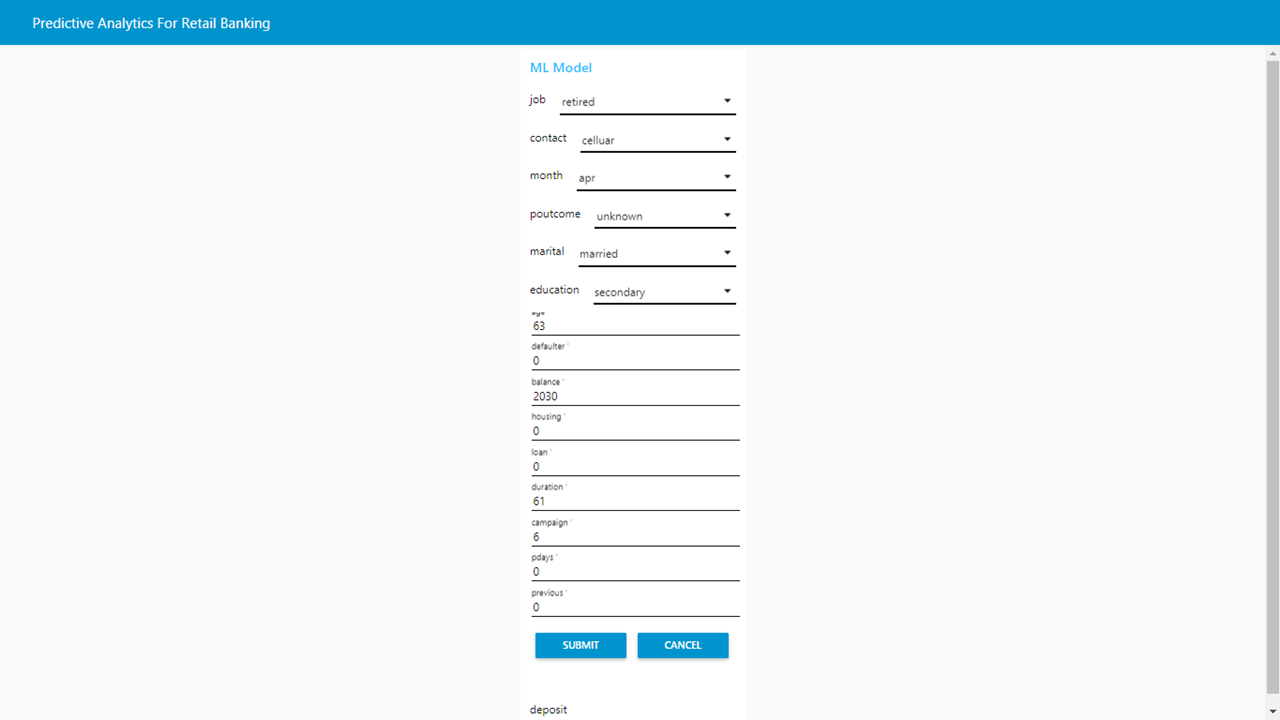
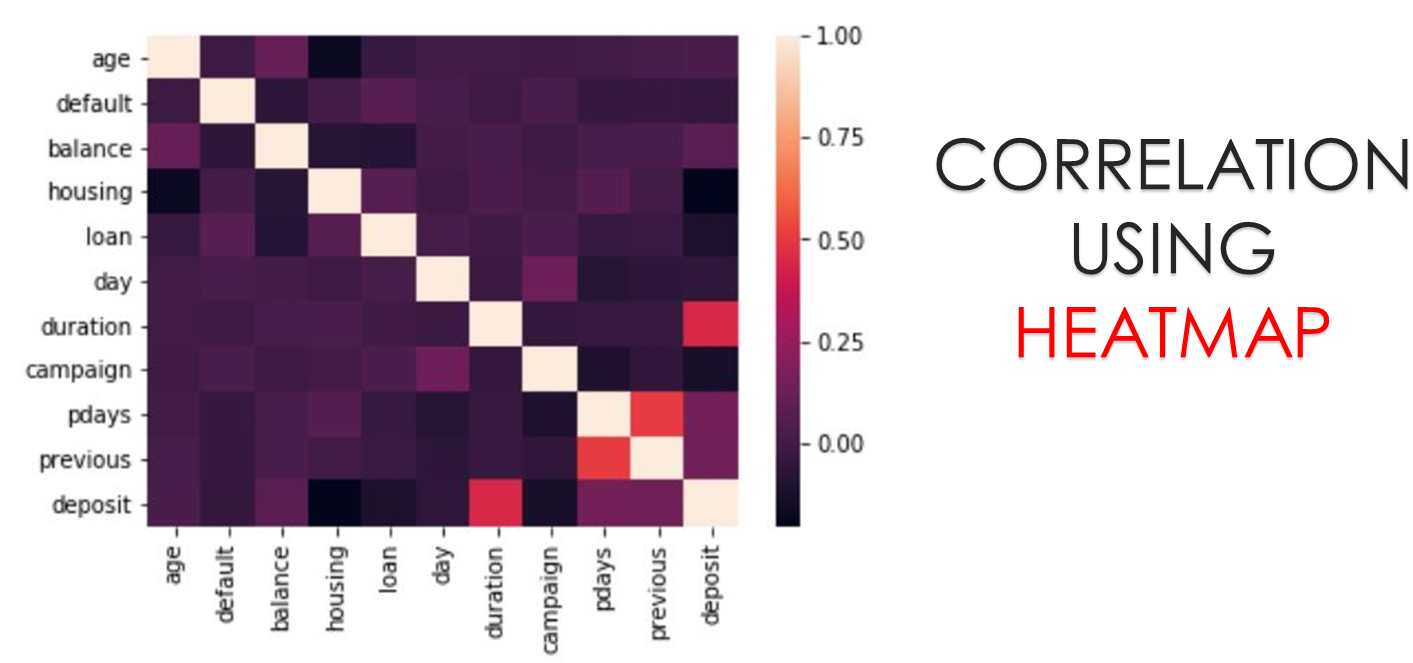
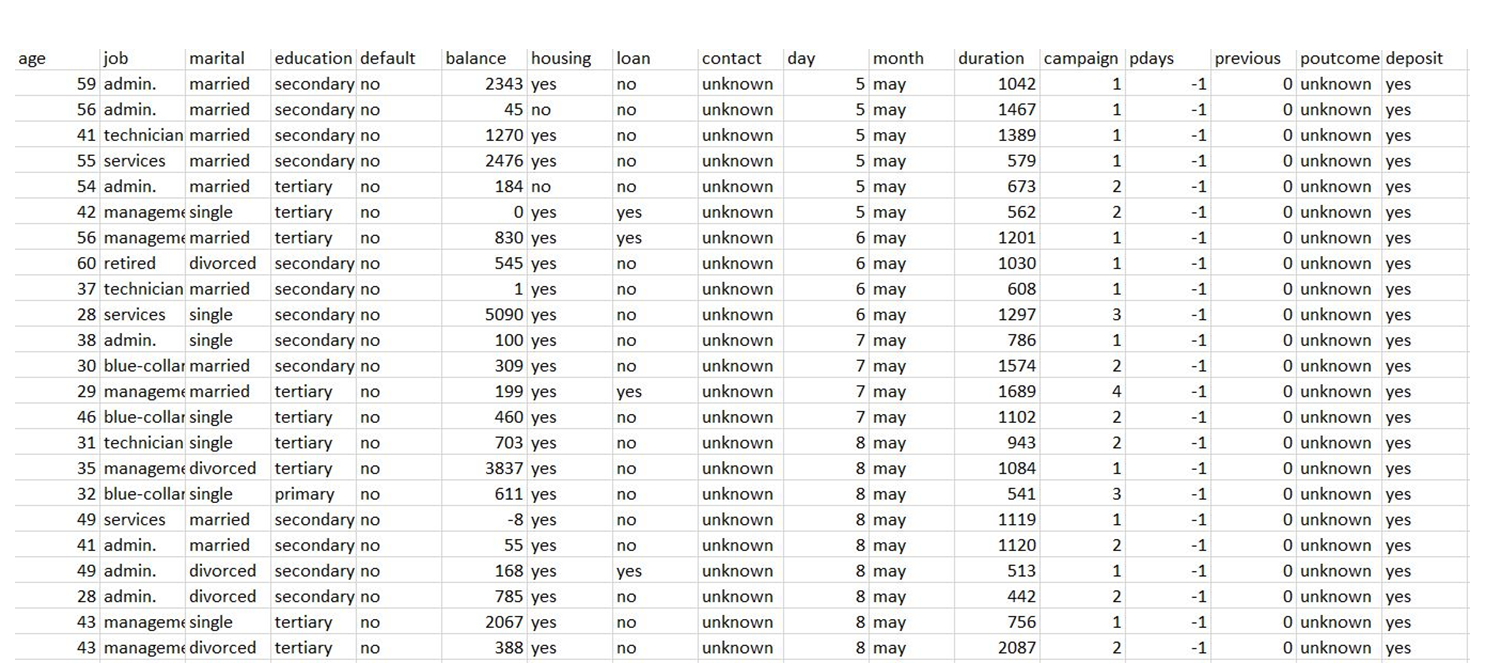
The data in this regard are related to the direct marketing campaigns of the banking institution. Marketing campaigns are based on phone calls. Often multiple contacts with a customer were required to reach the product (term bank deposit) whether to subscribe (‘yes’) or unsubscribe (‘no’). The goal is to know in advance whether the customer will sign up for a term deposit.

ABOUT THE INFORMATION

This is a classic marketing bank data package uploaded to the UCI machine learning repository. The data set provides you with information about the financial institution’s marketing campaign, which you need to analyze to find ways to look for future strategies to improve the bank’s future marketing campaigns.

These are the columns in the data set:

Age: age of the client (quantitative)
Job: Client’s profession – (categorical) (administrator, worker, entrepreneur, housekeeper, manager, retiree, self-employed, service provider, student, technician, unemployed, unknown)
Marital: Client’s marital status – (categorical) (divorced, married, single, unknown, note: divorced means divorced or widowed)
Education: Client’s level of knowledge – (categorical)
By default: Indicates whether the customer has a debt – (categorical) (no, yes)
Balance: average annual balance, in euros (quantitative).
Housing: Does the client have a home loan? – (categorical) (no, yes)
Loan: Is the client a personal loan? – (categorical) (no, yes)
Contact: Contact type – (categorical) (unknown, mobile, phone)
Date: The date of the last contact with the customer.
Month: Last customer contact month – (categorical) (January-December)

CONCLUSION

In the real world, most classification problems are two-sided. Also, data sets have almost no meaning. In this post, we cover strategies to combat unbalanced data sets with missing values. We will also explore different ways to build packages within the sklearn. Here are some exceptions:

Accuracies compared

  • K-nearest Neighbour: 75.3%
  • Logistic Regression: 80.9%
  • Decision Tree: 78.2%
  • Random Forest Classifier: 78%
  • Support vector Machine: 53%


Sometimes we may be willing to give up some model improvements if this estimate is much more complex than the percentage change in metric improvement.
When building ensemble models, try to use as many different good models as possible to minimize the correlation between basic students. We could improve the model of our concentrated ensemble by adding a dense neural network and other types of basic learners, as well as adding more layers to the concentrated model.
Easy Ensemble generally works better than other re-modeling methods.

Download the complete Predictive Analytics for Retail Banking Machine Learning Python Project Source Code, Report, PPT.

For more details about the project visit this page


Sales Management System for Hypermarkets PHP & MySQL Project

ABOUT THE PROJECT

A sales management system for hypermarkets is a web project developed with PHP & MySQL Database. It is a DBMS-based Project,  Supermarket store is an Indian retail store operating as a chain of hypermarkets. It is one of the largest and oldest hypermarkets in India, with more than 150 stores in more than 60 cities and towns across the country. It includes food, clothing and fashion, furniture, electronics, stationery, cosmetics, kitchen and kitchen utensils, and many other categories.

OBJECTIVES

  • Sales Details by Store / Region / State
  • Revenue/sales analysis
  • Details of the store, ie numbers, area, address
  • List of undelivered orders
  • List of payments made or expected to be distributed to distributors
  • Calculation of benefits by date/month/season
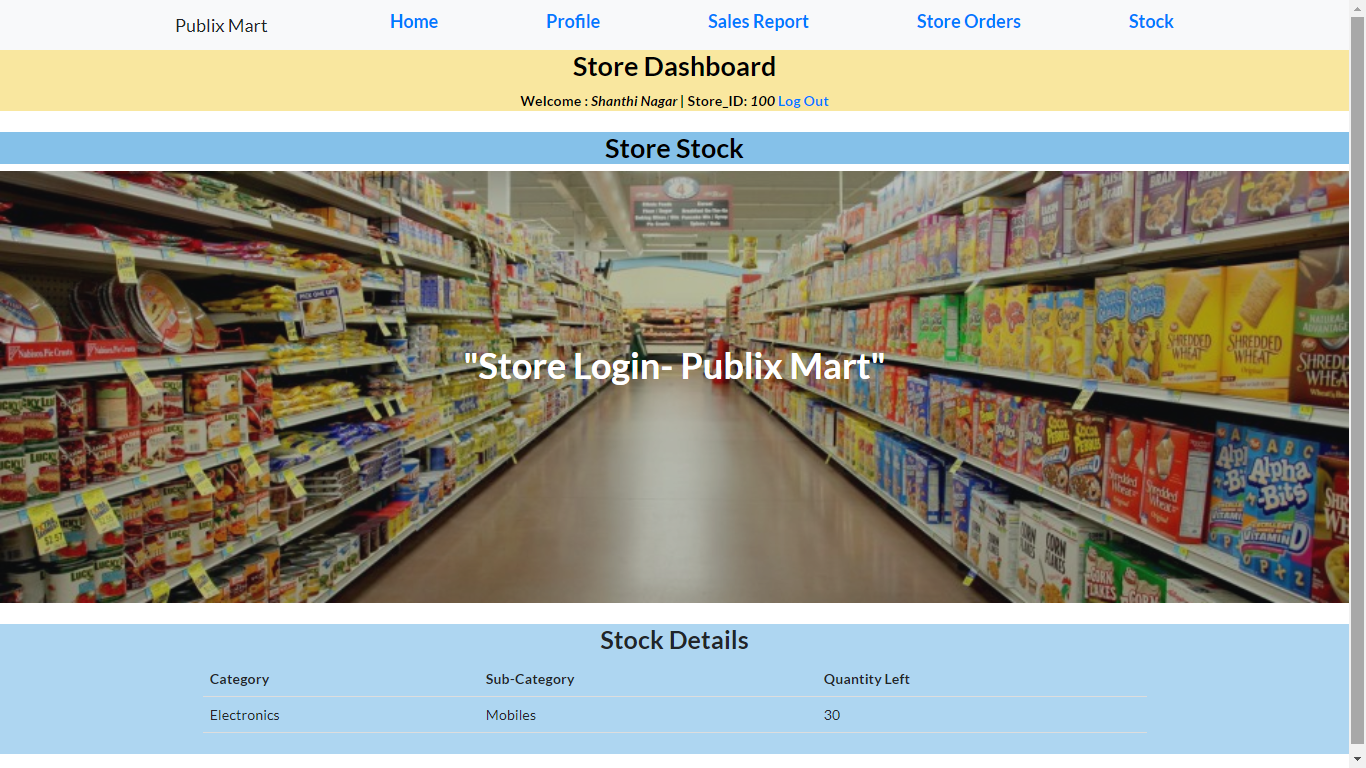
  • Maintains detailed inventory.
  • Track store order shipments
  • Purchased stock, if the number is less than a certain number and calculate the income for a month

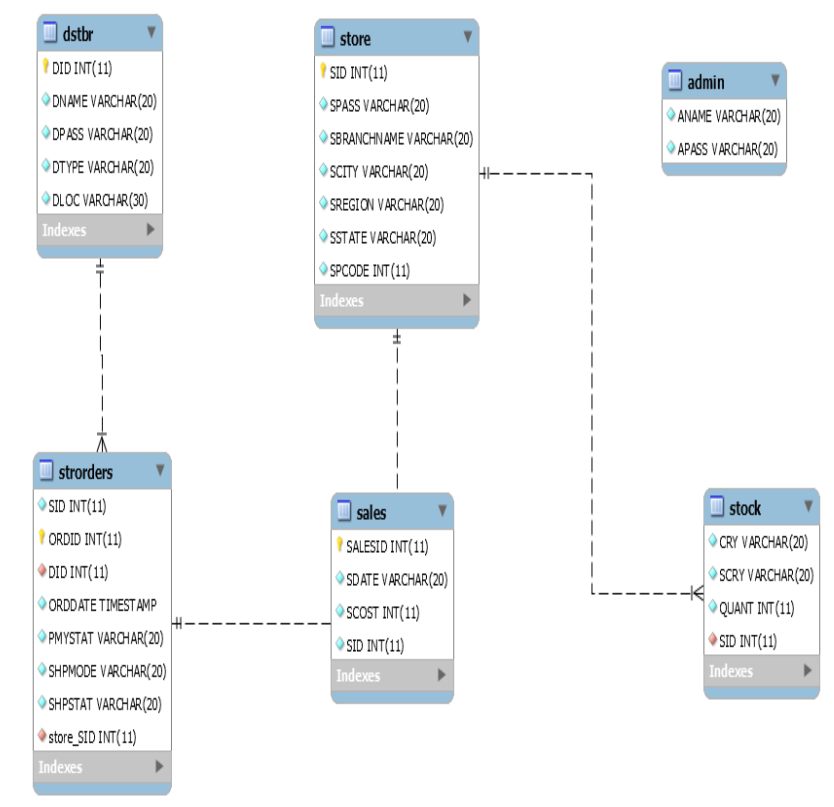
ER Diagram:

FEATURES

  • Sales management
  • Income analysis
  • inventory management
  • Delivery management
  • Analytics by category
  • Advanced magazine search
  • Improved reports

PREREQUISITES

  • xampp installation
  • Cloning this repository within xampp / htdocs
  • Read the superstore.sql file to configure the database

MODULES

  • ADMINISTRATORS: Responsible for centralized management of stores and distributors
  • DISTRIBUTORS: Distributors are responsible for store orders.
  • STORE: Located in different parts of the country.
  • STORE ADMINISTRATOR: Participates in-store management and sales

APPLICATIONS

  • It can be used in a centralized management department for large pages.
  • Reseller Dashboard helps you manage store orders and update store order details such as invoices, deliveries, and payments.
  • The Store Manager dashboard contains basic apps for managing your store’s inventory while maintaining customer interaction.
  • The administration panel helps the management team of large stores to keep all stores in the region in one central interface.

CONCLUSION

In developing this Sales Management System for Hypermarkets PHP & MySQL Project, we learned a lot about working with HTML / CSS / JS / PHP / MySQL and database management, as well as how to make the app user-friendly (easy to use and manage) by hiding its complex parts.
During the development process, we carefully studied and understood the criteria for creating the required software, as well as the importance of maintaining a minimum error rate.

Download the complete Hypermarket Sales Management System PHP & MySQL Project Source code, Report.

For more details about the project visit this page

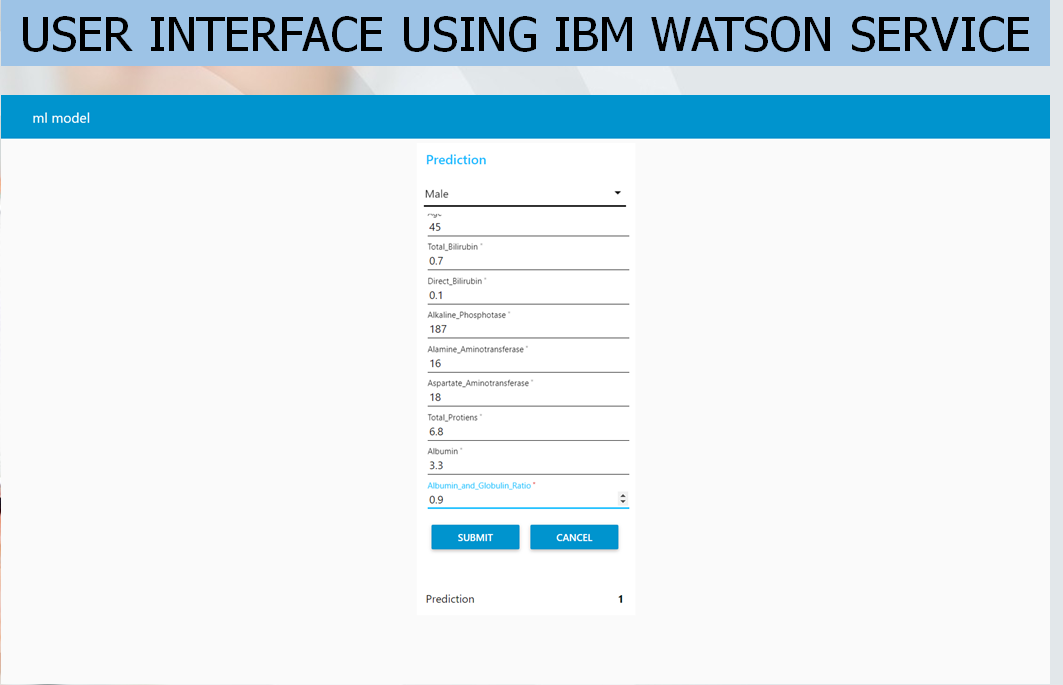
Liver Patient Analysis Machine Learning Project

Project description

In India, delays in diagnosing diseases are a major problem due to a lack of medical professionals. The typical scenario, which is mainly in rural and slightly urban areas:

1. A patient who sees a doctor with certain symptoms.
2. The doctor will perform some tests, such as blood and urine tests, depending on the symptoms.
3. The patient undergoes the above tests in the analytical laboratory.
4. The patient takes the reports back to the hospital, where they are examined and diagnosed.

The goal of this project is to reduce some of the delays caused by unnecessary detours between the hospital and the pathology laboratory. Historically, work has been done to detect the onset of heart disease, such as Parkinson’s, and machine learning algorithms have been developed to predict liver disease in patients based on a variety of characteristics.

Problem statement

The problem report is officially defined as follows:

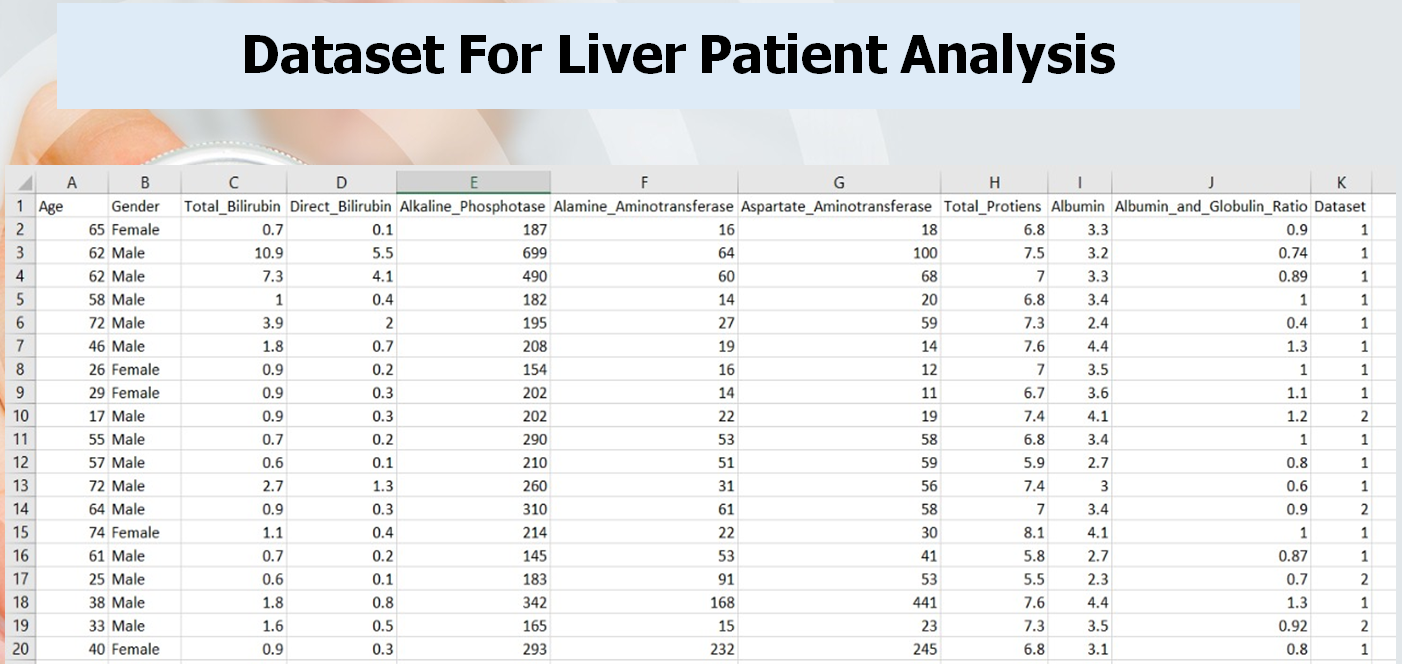
“Considering the data set containing the various attributes of 584 Indian patients, use the functions in the data set and determine a controlled classification algorithm to determine whether a person is suffering from liver disease. This data set contains 416 liver recordings and 167 non-liver recordings. collected in northeastern Andhra Pradesh. This data set contains records of 441 male patients and 142 female patients. Each patient over the age of 89 is “90” years old.

Strategy

This seems to be a classic example of controlled learning. We are given a fixed number of functions for each data point, and our goal is to teach different controlled learning algorithms based on this data, so that when a new data point appears, our best-performing classifier can be used. information point as a positive or negative example. Detailed information on the number and types of algorithms used for training is contained in the “Algorithms and Techniques” section of the “Analysis” section.

Conclusion

Initially, the data set was studied and prepared for inclusion in the classifiers. This was achieved by removing some rows containing zero values, modifying some columns indicating the skewness, and using appropriate conversion techniques (a hot coding) to make the labels more useful for classification purposes. The performance indicators for which the models will be evaluated have been resolved. The data set was then divided into a reading and testing package.

First, a simple predictive and base model (“Logistic Regression”) was developed in the data set to determine the value of the base accuracy. The biggest challenge in implementing this project was in two areas: defining learning algorithms and selecting the appropriate parameters for precise configuration. Initially, making a decision on 3 or 4 methods out of the many choices available at sklearn was very tedious.

Algorithms and Techniques used to develop this Liver Patient Analysis Machine Learning Project are

1. Random Forest Classifier:
2. Gaussian Naive Bayes Classifier
3. Logistic Regression:

Download the complete Liver Patient Analysis Machine Learning Project Python source code, project report, PPT Presentation.

For more details about the project visit this page

Student Grade Analysis & Prediction Machine Learning Project

The main objective of this Python project is to Analysis & Prediction the final grade of Portuguese high school students. This is Machine Learning Project and The algorithms used to implement this project are Linear Regression, ElasticNet Regression, Random Forest, Extra Trees, SVM, Gradient Boosted, Baseline.

Problem statement

The problem statement can be defined as follows: Considering the data set containing the attributes of 396 Portuguese students, the available functions of the data set were used and classification algorithms were defined to determine whether the student performed well in the final qualifying exam.

Description of the data set

These data reflect the performance of secondary school students in two Portuguese schools. Information attributes (student grades, demographic, social, and school-related characteristics) were collected using school reports and questionnaires. There are two sets of indicators for two different subjects: mathematics (math) and Portuguese (por). [Cortez and Silva, 2008], two data sets were modeled under binary / five-level classification and regression tasks. Important Note: The target attribute G3 has a strong correlation with the G2 and G1 attributes.

Methodology

As universities are prestigious universities, it is a matter of great concern that students stay at these universities. It was found that the majority of students dropped out of university in the first year due to a lack of adequate support for undergraduate courses. For this reason, the first year of a bachelor’s degree is called the “make or break” year. Without finding any support for mastering the course and its complexity, you can lower the student’s motivation and cause him to drop out of the course.

There is a great need to develop an appropriate solution to help students stay in higher education. Early grade forecasting is one of the solutions aimed at monitoring the progress of students in the undergraduate courses of the university and leads to the improvement of the learning process of students on the basis of projected grades.

The use of machine learning with the extraction of educational information improves the learning process of students. Various models can be developed to estimate a student’s grades in registered courses, which will provide valuable information to make it easier for students to stay in those courses. This information can be used for the early identification of students at risk, based on which the system can recommend teachers to pay special attention to those students. This information will also help predict the grades of students in different courses to better monitor their performance in a way that will improve student retention in universities.

Using different packages, such as cuffs, seaborn, and matplotlib, to analyze the data set to predict the final price (G3), to display the data graphically or graphically along with various attributes.

Download the Complete Student Grade Analysis & Prediction Machine Learning Python Project Source code, Report.

For more details regarding the project – Click here

Gym Management System Project Using PHP & MySQL

About the project:

The gym management system developed by PHP is an excellent solution for gyms that are increasing the number of members or serving elite customers. This solution helps to identify users and manage their membership in a timely manner.
In its operation, each member is issued a membership card valid for a certain number of gym sessions or for a certain period of time or a combination of both, depending on the payment policy. Upon expiration of the period or number of sessions, the machine will notify the member of the renewal fee.
Thus, the system reduces inconvenience and disputes between members and the management of the gym. You can also create multiple monthly, weekly, daily, and session reports.

The main characteristics are:

1. Gym management
2. Gym membership management
3. Payment management
4. Coach management

Objectives:

1. Add different gyms.
2. Add payment areas.
3. Add members to the gym.
4. Add different gyms.
5. Look at different gyms.
6. See payment areas.
7. Look at the members in the gym.
8. Look at different gyms.
9. Update and delete any gym valuables, fees paid, gym details, and coach information.

ER Diagram:

Output Screens:

PREREQUISITES

  • install xampp
  • clone this repository into xampp/htdocs
  • read gym.sql file to setup the database

Download the Complete Gym Management System Project Using PHP & MySQL Source Code, Project Report.

For more details regarding the project – Click here

Insurance Policy Maintenance and Claim Management Process .Net Project using C# and SQL Server

An insurance management system is a personal intranet-based web application developed by a group of insurance broker agents to make your insurance policy and claim review process easier and more flexible.

The web application is used to check and monitor the status of customers who have adopted new policies in the context of distributed access in your organization, and to notify them of the terms of the policy’s premium payments and requirements. In fact, the system is designed to accelerate the process in your business process to increase customer satisfaction and keep the overall flow of customers in this domain smooth and stable.

The main problem of manual operation is the registration of holders of existing insurance policies and their regular maintenance of insurance policy payments. Providing regular services also takes a lot of time by searching the registers of the current customer base. If it is possible to automate the data storage process and increase search control, there is always the opportunity to get additional customers in turn, which will increase the profitability of the organization.

The real purpose of choosing this system is to speed up the organizational process. Agents can have the expected information at any time, in any instance. Creating the required reports in accordance with operational requirements will be much easier and information will be available. The system is not only false evidence but also has a high level of customer satisfaction.

The application is also security-oriented and is expected to be fast as a shared access structure because it communicates within the system.

Project Characteristics:

  • The agent can view the required information at any time, whether it is a policy or a customer, with the click of a mouse and the example the second.
  • If planned in an organized manner, customers can be provided with an online terminal where they can receive information with their own hands without major intervention.
  • Customer or policyholder alerts can be generated at lightning speed by asking specific customers.
  • Data can be shared via a single-window link in their respective databases, saving time entering multiple data while they are being collected.
  • The status of the premium payment on the clients’ policies can be systematically discussed by the Agents to check for non-payment.
  • A specific policy can be clearly monitored by the detainee and checked before the claim is resolved.
  • Most importantly, the overall system can provide consistent and reliable authenticated information about your transactions at any time.

Current System:

In general, if a user plans to create an insurance plan manually, they will need to perform a number of activities.

It is a very tedious process for the agent to keep records of what is happening through the system and the required information that may be generally needed at all stages.

In increasing the customer base, the manual search process is very tedious and time-consuming, which repeatedly frustrates the customer with the agent.

Recommended System:

With the new system, the following activities are gaining momentum.

The actual process of the organization can be modulated into three different independent views

  • Agent Appearance
  • Opinion of the policy owner
  • System Administrator View
  • Agent

At any time you can view the required information or policies, or customers with an example of a click of a mouse and a second.
If planned in an organized manner, customers can be provided with an online terminal where they can receive information with their own hands without major intervention.

Modules:

The actual process of an organization can be modulated into three different independent perspectives

  • insurance company information
  • Agency Information
  • customer information
  • Policy Information
  • Policy payments
  • Political demands
  • Security information

Download Insurance Policy Maintenance and Claim Management Process .Net Project Source code, Report, PPT using C# and SQL Server

A Study on Operational Excellence Challenges In Indian Oil and gas Industries

Problem Formulation

Operational Excellence is a volatile and dynamic phenomenon being adopted by organizations to build profitable and satisfying growth inclined. Operational excellence is a philosophy that can be achieved and maintained consistently only by continuous improvisation and it allows organizations to have a cutting-edge advantage in highly volatile and frequently changing competitive environments in terms of business.

Operational excellence mainly deals with bringing excellence in all aspects of the business including maintaining transparency and corporate governance etc. The main and core objective of operational excellence is to maintain quality, effectively utilize resources, reduce wastage and reduce defectives, accidents, etc., and build a profitable organization.

The energy sector is the sector that is playing a major role in GDP and economy across the globe and even in India, there are many private and government undertaking players who are in the energy sector. In the Indian context, the oil and gas reserves and the players in the segment, and their contribution towards the economy, etc need to be considered.

The main objective of choosing the topic for research is, there are many challenges being faced by government undertaking organizations to cope with operational excellence which is leading to frequent accidents and blowouts leaving many dead and many more severely Injured where Private organizations are far ahead in these concepts. They were able o bag new contracts.

Main Objective of this Research 

  1. To identify gaps in achieving operational excellence.
  2. To develop a framework to highlight the operational excellence to the top and senior management on how to benefit by achieving operational excellence.
  3. To disseminate the view that the use of traditional brick-and-mortar models with new technologies can create better results in terms of Achieving Operational Excellence.
  4. To establish the need for human capital management and Human Resource Business Partnering to achieve competitive advantage in getting operational excellence.
  5. To highlight the various tools and technologies available for the Oil and gas sectors to improvise quality and attain operational excellence.

Secondary Objective of this Research

 To understand the roles of Management, leadership team, and Internal and external associates in achieving operational excellence.

  • To know about tools like Khaizen, Poka Yoke, TQM and Six Sigma, etc.
  • The scope of understanding the theories like 5M, 5S, 6 Level Models, etc.
  • To study about Components and metrics of Operational excellence and how it leads organizations to build profitable and highly sustainable in competitive environments.

Problem Statement

Operational Excellence draws most of the big companies into the Increase in Profitability and productivity, since the big multinational companies are well established financially, popularly, technologically, and with high expertise. They tend to put tremendous pressure on medium-sized and government oil and gas sector firms. Since small and medium-sized firms lack the financial, technological, and expertise backing they tend to suffer in the operational competence and their survival becomes very thin.

And furthermore, India has great scope in its market size, which attracts all the world’s biggest players into the completion of the excavation, digging, and distribution. The research will be carried out in government and private sector oil digging companies and the responses and limitations and the data validity are crucial aspects that need to be concentrated and point of major focus.