Efficient Resource Allocation For Wireless Multicast Documentation

Efficient Resource Allocation For Wireless Multicast Objective: 

The internet connectivity has become the important part of our day-to-day lives, people use internet connection at home, offices, on mobile, Laptop etc. There various technologies been provided for internet connection such as Broadband, wireless, Wi-Fi, Bluetooth etc. Among this wireless is widely use throughout the World as it provides the faster and easier access to the internet. WWW can be accessed from anywhere what you need to have is the appropriate device, will allow the use of Internet.

            This project Efficient Resource Allocation For Wireless Multicast aims at providing efficient resource allocation of Multicast wireless to the user. This will also reduce the cost of the bandwidth for the wireless users. The cost of the bandwidth will be reduced by using the method of finding the Shortest Path. To find the shortest path to the desired resource allocation in wireless connectivity Lagragean Method will be used. The Langragean Method will provide the shortest path to the desired resource in the multicast bandwidth in a wireless network which will allow the faster and easier access to connect to the world through Internet. This will make the surfing, browsing, downloading, and uploading easier. 

Modules of the Project:

This will also have some modules to used. This modules helps us in understanding the Flow and execution of the proposed system. The modules of the system are as follows. There are four modules in the proposed system they are a) Add Node, b) Resource Allocation, c) Source and Destination, d) Lagrangean Path. Let us see the modules in details.

a)      Add Node:

This is the first module of the system in this we specify the number of nodes in network. As soon as nodes are provided the nodes are arranged in cell randomly. According to the capability of cell it accesses the nodes in the network.

b)      Resource Allocation:

Resource allocation allocates the nearest resource current location so that it would provide good bandwidth usage and the access will be faster. 

c)      Source and Destination:

This module helps user to choose the source and the destination node. On selecting the source and destination node the position of the node and the cell containing the node is being stored. We repeat the steps to find the destination node to find the shortest node. 

d)      Lagrangean Path:

This module helps us to find the shortest path of the node by dividing the problem in two sub parts. The first part helps us to find solution to get faster access to the nearest cell. The second part helps us to find out the total bandwidth being used. And then repeating this will help us to find the shortest path to the desired node.           

            INPUT AND OUTPUT OF THE SYSTEM:

The input provided to the system is the number of nodes and after that the source and the destination nodes. Thee output of the system will be desired shortest path from the source and the destination mobile provided by user as input. 

Download Efficient Resource Allocation For Wireless Multicast Documentation.
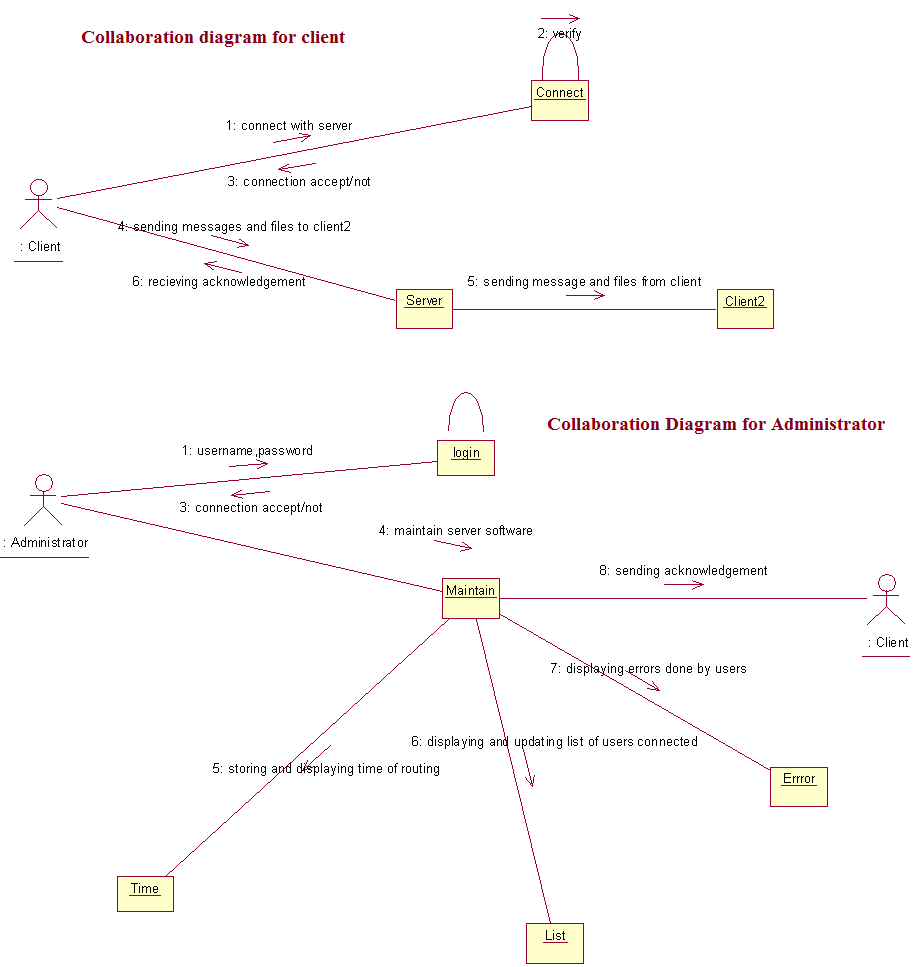
Collaboration Diagrams For Client Server Protocol Implementation MCA and M Tech Project

This Post explains about Collaboration Diagram for both client and server of this project, Mainly MCA and M tech Final year students can develop application related to this system. Java played major role to develop this project.

Collaboration Diagram for Administrator

Download Collaboration Diagrams for MSC and MCA Major Project.

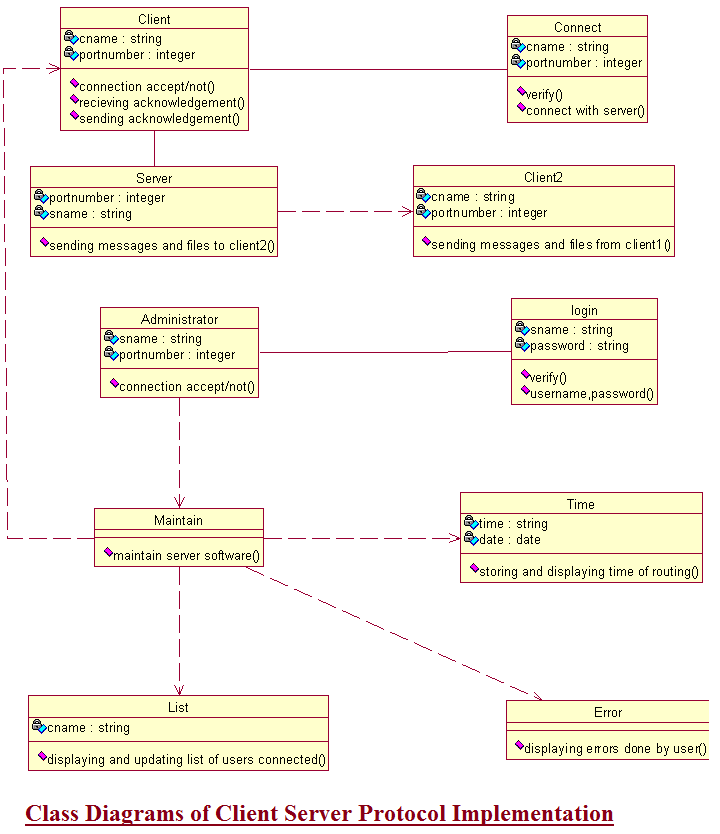
Class Diagrams for Client Server Protocol Implementation B Tech and BE Project

The main aim of this project is to provide best & efficient client server application between users and administrators. This system works well with Java programming where we have used Transmission Control Protocol (TCP) and Internet Protocol (IP) to implement this application. The below image explains about class diagram of the system where receiver info and sender info placed in high priority.

Client Server Protocol Implementation class

Download The B Tech and BE Project Paper Presentation and Seminar Report of the Client Server Protocol Implementation System.

Client Server Protocol UML Diagrams & Project Report

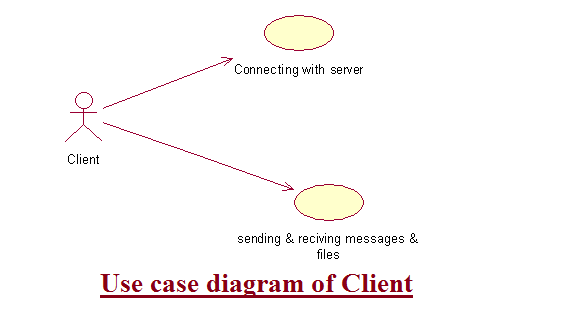
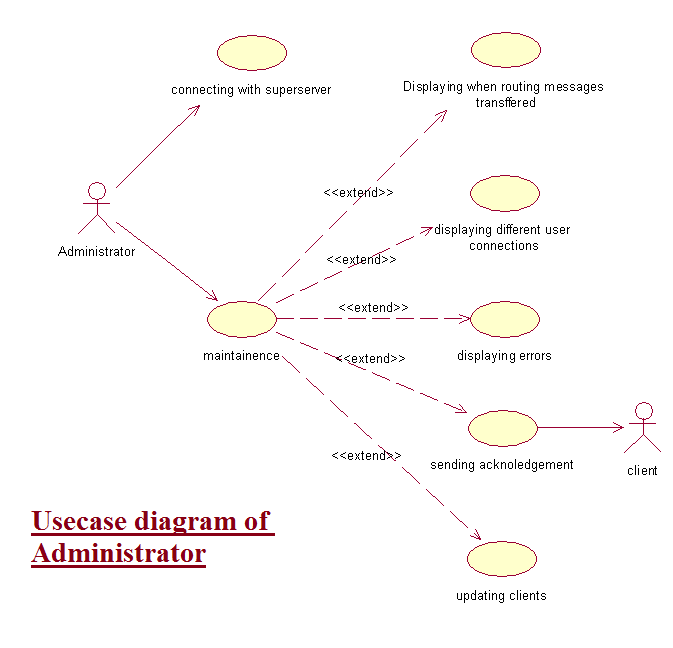
This article provides full details about Unified Modeling Language (UML) Diagrams of the Client Server Protocol web application. Freshers and Engineering students can use this project for their reference. Find the below added UML Diagrams and Use case diagram of Client and Manager.

usecase diagram

Usecase diagram of Administrator

Download Client Server Protocol B Tech, BE UML Diagrams & Project Report with full Documentation.

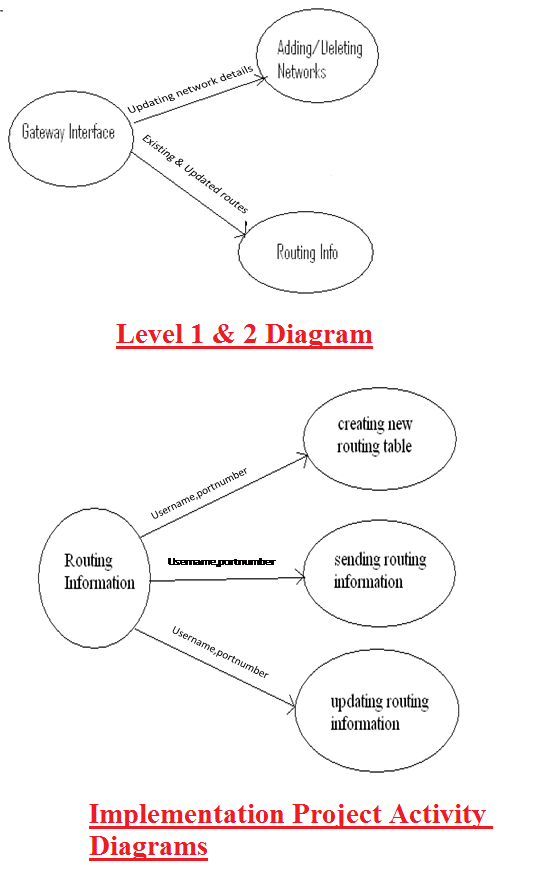
Client Server Protocol Implementation Project Activity Diagrams

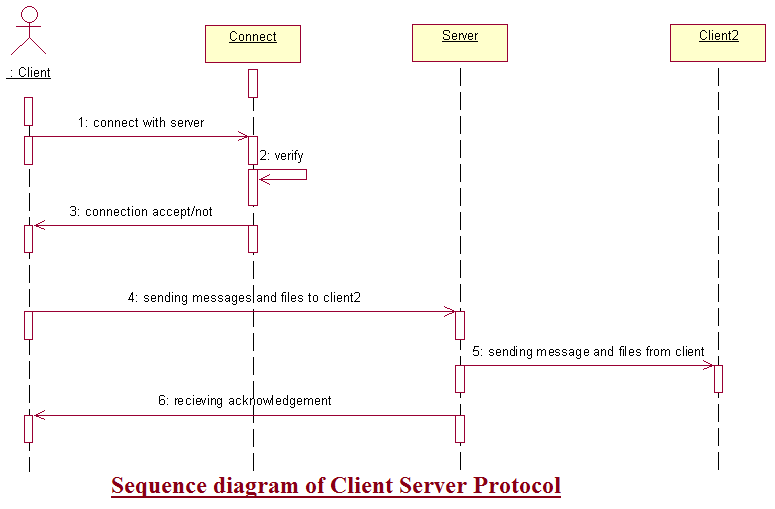
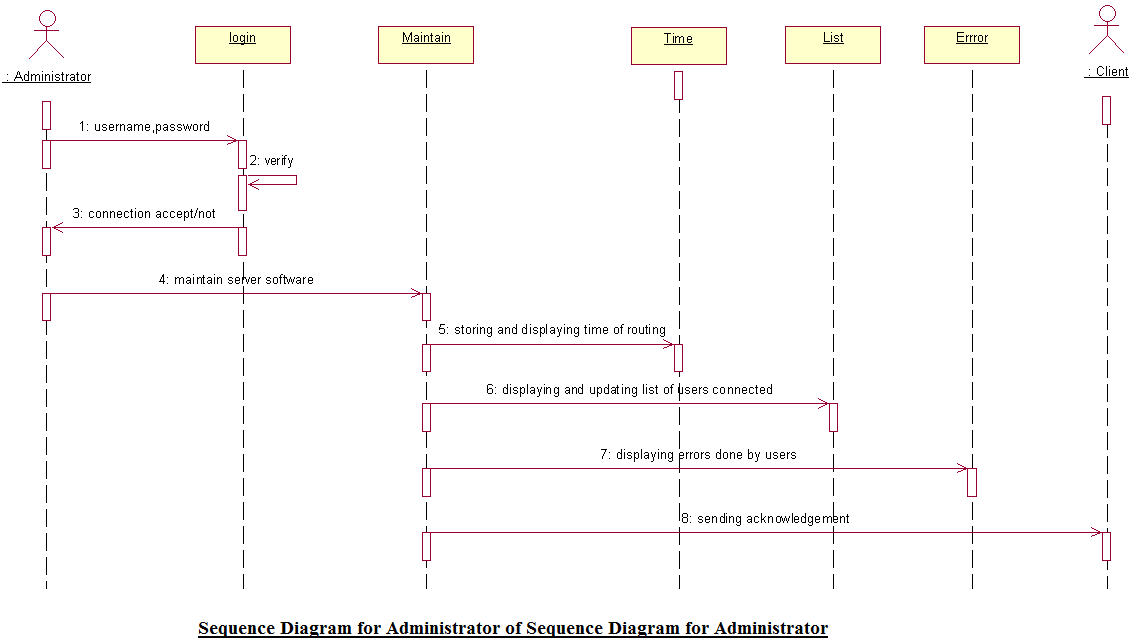
This Article explains about activity diagrams, sequence diagrams and Entity relationship diagrams of the Client Server Protocol Implementation Engineering Project. This Student application developed with Java Programming with Oracle database server. TCP/IP protocol used to implement this system. Find the below Activity diagram for this project.

Client Server Protocol Implementation Project Activity Diagrams

Download Client Server Protocol Implementation Project Activity Diagrams, ER Diagrams, Sequence Diagrams, Data Flow Diagrams.

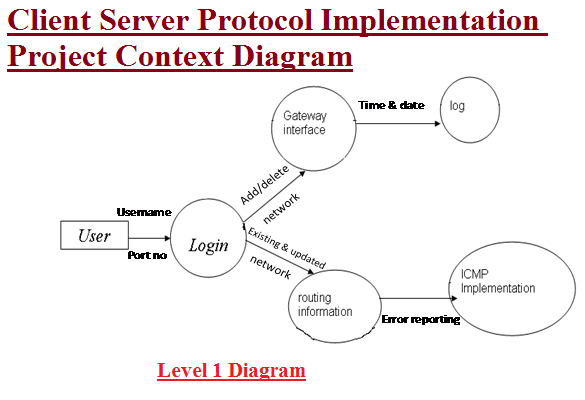
Client Server Protocol Implementation Project Context Diagram

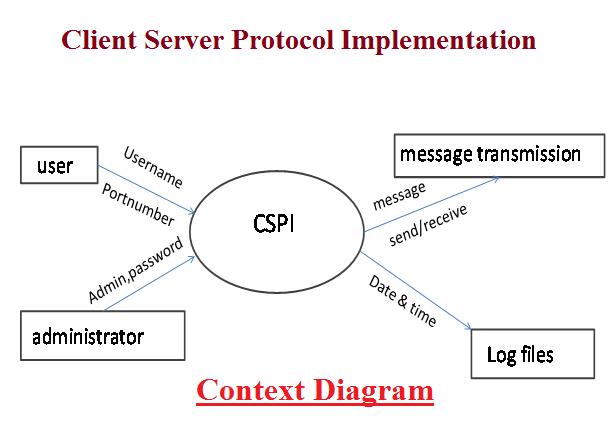
The Level0 and Level1 Project Context Diagrams for Client Server Protocol methods described below, where its explains about User port number, Gateway interfaces, Date and Time details, Error details, data routing information and network details.

Client Server Protocol Implementation Project Context Diagram


Download MCA, M Tech Final Semister Project Report on Client Server Protocol Implementation.


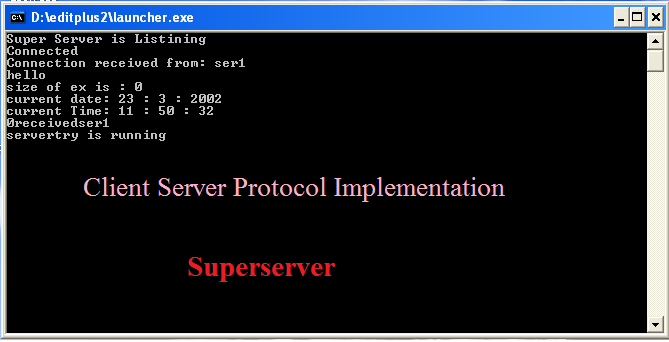
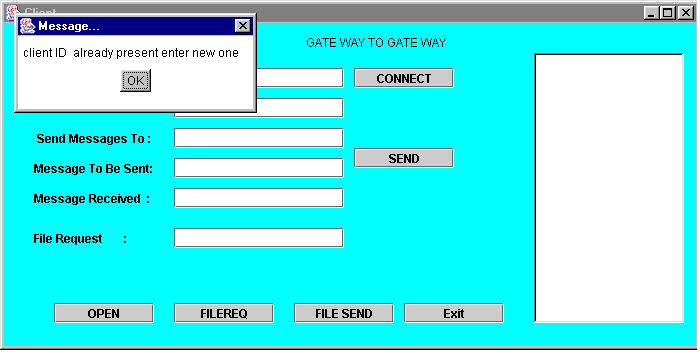
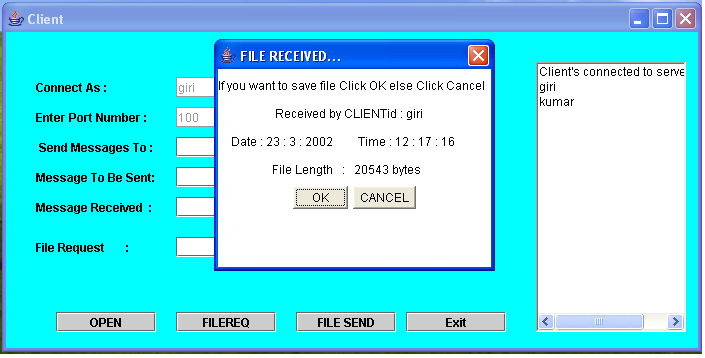
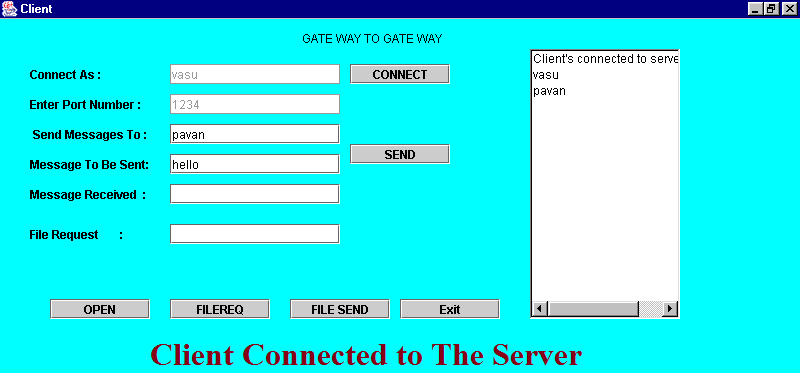
Client Server Protocol Implementation TCP/IP ICMP Final Year project

The main aim of developing this Client Server Protocol Implementation TCP/IP ICMP Final Year project is to create flatform for all future software professionals. This application mainly works with the user and administrator for message transmission and log files where CSPI plays major role for message sending and receiving.

Client Server Protocol Implementation

Download Client Server Protocol Implementation Java Engineering Project Context Diagram with total documentation and paper presentation, source code.

Bank Application Project in Java

Bank application project is implemented in java platform. Main aim of this project is to develop a simple banking software application through which users can add account, depositing money in to account, withdraw money from the account, request for balance amount available in their account, providing transactions details with mini statement and full statement.

This application provides basic knowledge on online banking system which can be used as mini project for computer science third year students.

Online banking is one of the fast growing filed on internet. Because of high security features and fast and accurate money transaction is creating scope for fast growth. This application will introduce students to gain knowledge on basic principles required to develop online banking system.